

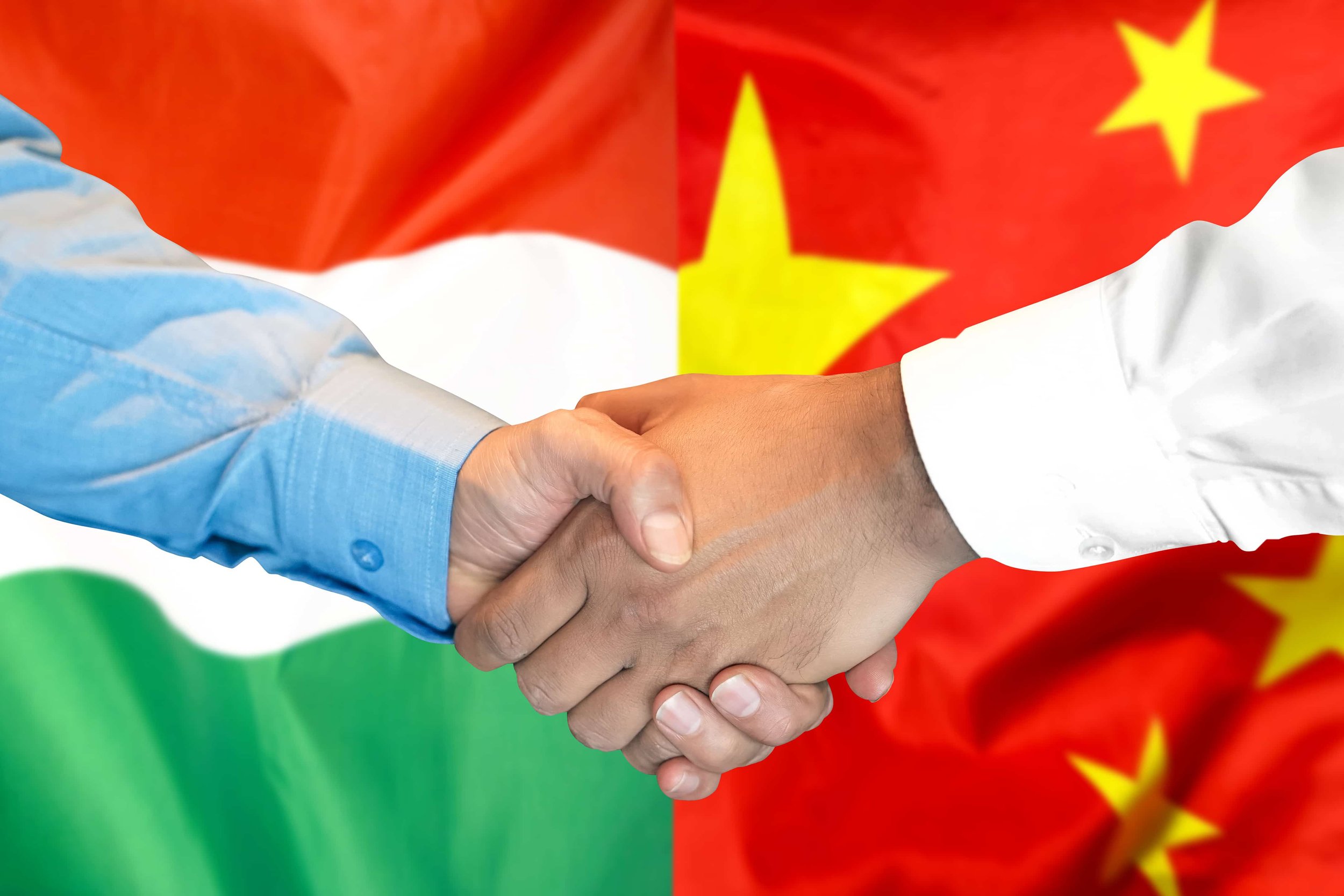
Negotiating with a Chinese Manufacturer – Tips for Businesses
Why the quality of your negotiation matters?
Negotiating with a Chinese manufacturer is not just an administrative step – it’s the foundation for project success. A well-structured negotiation can lead to better pricing, higher product quality, more reliable shipping, and long-term partnerships. As outlined in our [China import guide], communication styles, business etiquette, and cultural norms all influence outcomes significantly.
Two common mistakes to avoid
1. Pushing for price too early
Many buyers ask for pricing during the first contact, without clarifying technical specs or quantity. In China, this is considered impolite and weakens your position.
2. Assuming trust too soon
In Chinese business culture, “guanxi” – the personal relationship network – is essential. If you try to close the deal too fast, it creates distrust. Begin with small test orders and invest in building rapport.
Two proven negotiation best practices
1. Provide a detailed written brief
A well-structured product brief (e.g. with CE or GPSR standards) builds trust. Include materials, packaging, quantity, and target market. Use Excel sheets and visual examples when possible.
2. Request tiered quotations
Ask for quotes under EXW, FOB, and CIF terms. This helps you understand the supplier’s logistics model and compare them effectively – as we explained in our [Incoterms guide].
What to watch for in the supplier’s reply?
If a supplier sends pricing too quickly without asking questions, that’s a red flag. Look for:
Questions about the product?
Awareness of destination country requirements?
Alternative suggestions if exact materials aren’t available?
Real-world case: sports bottle manufacturing in Guangdong
A Hungarian SME was sourcing BPA-free sports bottles for the EU market. Success came from sending a GPSR-compliant design and requesting both EXW and FOB quotes early. One supplier offered 10% lower FOB pricing because they had an in-house export license – a point also covered in our [China export procedures explainer].
How to build long-term relationships?
Ongoing communication, transparent complaint handling, and annual factory visits help build loyalty. Negotiate long-term pricing (e.g. 6 months) to protect against market fluctuations.
FAQ – Frequently Asked Questions
Q. What language should I use when negotiating with a Chinese supplier?
A: English is most common. In some cases, a translator or local agent helps bridge communication.
Q: Can I request a sample before negotiating?
A: Yes, and it’s highly recommended. Paying for a sample ensures you're dealing with a real product.
Q: How can I verify if a Chinese factory is legitimate?
A: Ask for their registration number, export license, and check their presence on trusted platforms like Made-in-China or 1688.
What’s the difference between EXW and FOB?
EXW (Ex Works) means the buyer collects the goods from the factory; FOB (Free on Board) means the supplier handles delivery to the port and loading onto the vessel.
Final thoughts
Negotiating with a Chinese manufacturer involves more than pricing – it requires cultural awareness, strategic planning, and relationship-building. Cheers HUN Co., Ltd. (Shanghai) has helped Hungarian SMEs with this for over 10 years. According to advisor Peter Zhang, their “retainer + commission sourcing model” ensures all parties remain motivated and aligned.
Send an email to peter@cheershun.com and request an appointment for an online conversation.